
Gutternest handles historic home gutter repair in Dubuque for the older houses downtown and up on the bluffs. Tall walls, steep lots, old wood trim and gutters that need to suit the house all change how the job is done.
This is the oldest part of Dubuque’s housing. About 30% of homes in the city were built before 1939, and several of the city’s historic districts are in and around downtown, from the Cathedral Historic District near Bluff Street to the West Eleventh Street district on the bluff top above Jackson Park.
The houses here are often two and three stories, built close together on steep streets where retaining walls and steps stand in for sidewalks. That means taller ladders, tighter access and downspout water that has nowhere flat to go.
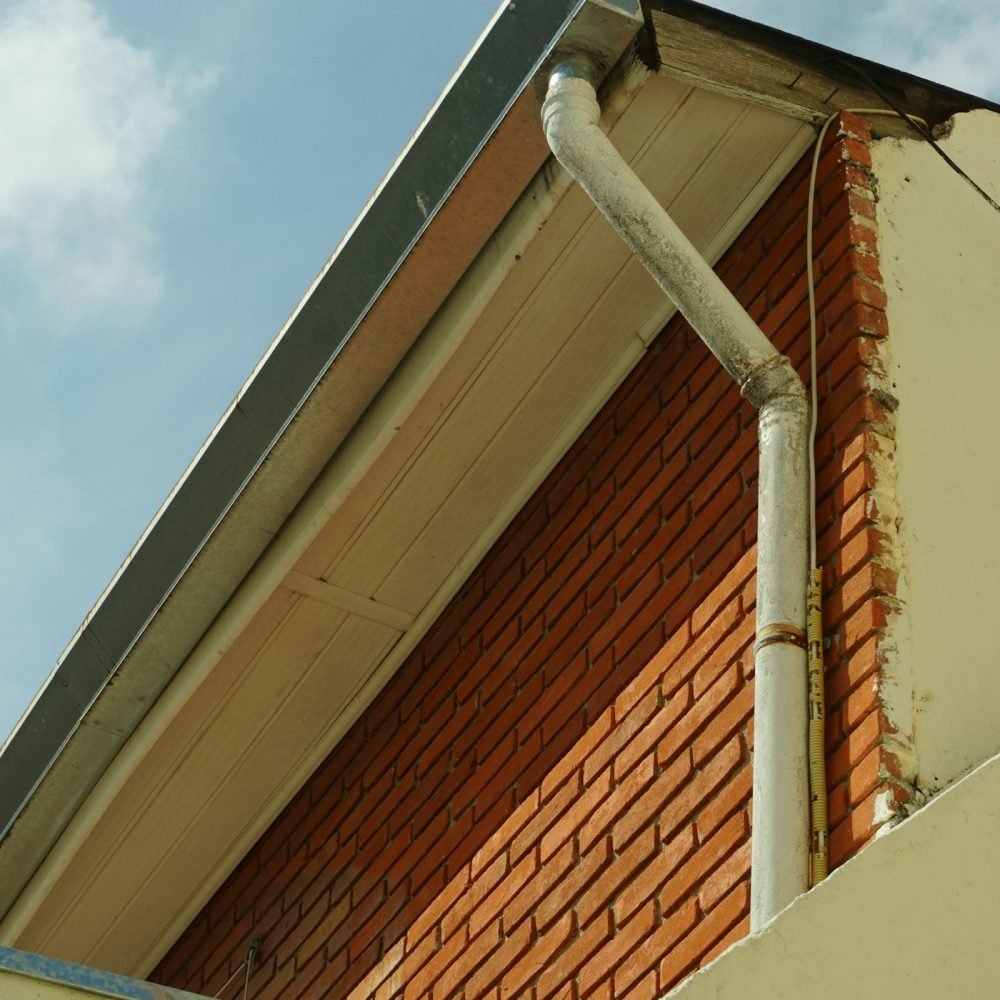
On older houses, gutter problems often show up on the trim and walls first.
Often, yes. Leaking joints can be resealed, loose runs rehung and soft fascia replaced while keeping the look of the house. Replacement makes sense when the gutters are rusted through or failing everywhere. See Gutter Leak Repair.
Half-round gutters with round downspouts suit many older homes, while K-style works on others. Color and size matter as much as shape. See gutter styles in Gutter Replacement.
Age, height and hillside lots bring their own set of problems.
The right gutter keeps water off the house and looks like it belongs there.
| Style | Looks like | Good fit for |
|---|---|---|
| Half-round | Rounded profile with round downspouts | Many Victorian, Italianate and Federal-era homes |
| K-style | Flat back with a decorative front | Later and simpler older homes |
| Built-in (box) | Hidden in the roof edge | Homes that were built with them |
| Copper | Bright at first, darkens with age | Homes where the look matters most |
| Painted aluminum or steel | Colored to match trim | Most older homes on a budget |
On a flat lot, a few feet of downspout extension is often enough. On a bluff, water picks up speed and goes where the slope takes it.
Dubuque has 17 historic districts with more than 1,300 buildings. If your home is in one, some exterior changes may need design approval before work starts, and the city’s Planning Services staff can help with that.
The city’s Architectural Guidelines explain preferred approaches for repairing older buildings. Check with Planning Services before switching gutter style or wrapping trim in aluminum.
Older homes downtown and on the bluffs can take more time and equipment than a newer ranch. The cost depends on the problem, the height and access, and how much trim work is behind the gutter. See our gutter repair cost guide.
| Factor | What it means |
|---|---|
| Height & access | Two- and three-story walls, steep lots, steps and retaining walls |
| Wood repair | Fascia, cornice or rafter tails behind the gutter |
| Gutter style | Matching half-round, copper or built-in gutters |
| Extent | One corner, one side or the whole house |
Some exterior changes in historic districts may need design approval. Check with the city’s Planning Services before changing gutter style, material or trim.
They suit the look of many older homes and drain well. The best choice depends on the house, the roof size and the budget.
Often, yes. The lining can be patched or replaced. Some homeowners choose to cover them and hang outside gutters instead, which may need design approval in a historic district.
Tall, steep roofs send a lot of water to each gutter, and older gutters and downspouts are often small. Bigger gutters or added downspouts usually fix it.
Small soft spots can be cut out and replaced with new wood that matches the profile. Larger runs of rot need new boards.
Homes built before 1978 may have lead paint. Repairs that disturb old paint should follow lead-safe work practices.
Get leaks, sagging and soft trim fixed on downtown and bluff homes.